Compare Local Contractors for Effective Fly Control Services
Compare local contractors for fly control services to define project scope, verify experience, and set clear expectations in writing for effective results.
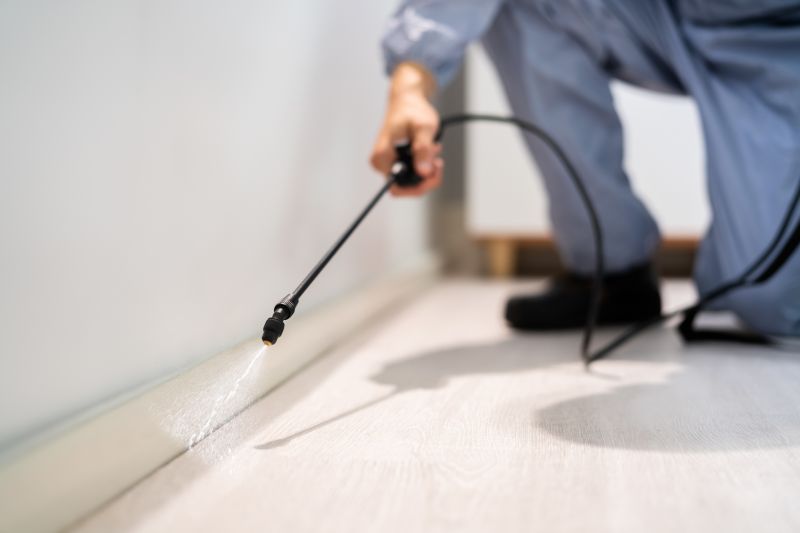
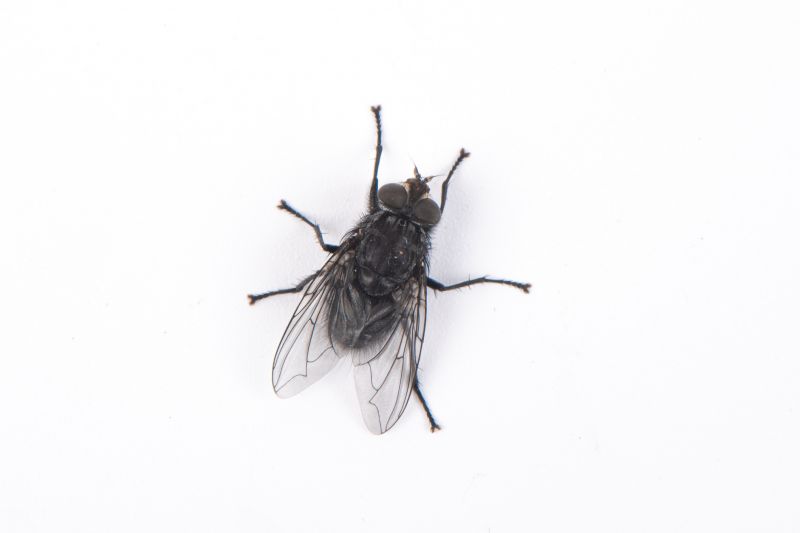
Fly control service contractors typically handle a range of tasks aimed at reducing fly populations and preventing infestations on residential or commercial properties. Their work often includes identifying problem areas, implementing targeted treatments, and applying preventative measures to keep flies away. This can involve the use of traps, insecticides, or exclusion techniques to manage fly activity effectively. Understanding the specific scope of services offered by each contractor helps property owners ensure that the solutions provided align with their needs and the unique conditions of their property.
Clearly defining the scope of work is essential when engaging with fly control service providers. A detailed scope helps set realistic expectations about what will be addressed and how the problem will be managed. It also provides a basis for comparing different contractors’ offerings, ensuring that each proposal covers the necessary tasks without gaps or unnecessary services. When scope details are documented in writing, it reduces misunderstandings and provides a reference point for any future adjustments or follow-ups.
Property owners seeking fly control services can benefit from comparing local contractors based on their experience, reputation, and the scope of services they offer. Verifying the background of service providers-such as their familiarity with local conditions and the types of properties they serve-can help identify those best suited for a specific situation. Additionally, reviewing how contractors define their scope of work and what is included can make it easier to compare options objectively. Ensuring that expectations are outlined clearly in written agreements helps establish a transparent process, making it easier to select a contractor that aligns with the property’s needs.
Compare local contractors by outlining your needs, verifying experience, and setting clear expectations in writing.
- Compare Contractors - Review local service providers to find those with relevant experience in fly control.
- Define Scope - Clearly outline the specific fly control tasks and areas to be addressed.
- Verify Experience - Ensure contractors have a proven track record with similar fly management projects.
- Set Expectations - Document the agreed-upon scope and responsibilities in writing before work begins.

Before comparing contractors, clearly describe your fly control project to ensure accurate scope and expectations.
- Verify the contractor’s experience with fly control services and their familiarity with local pest issues. - Ensure the scope of work is clearly defined and documented in the service agreement.
- Compare the approaches and methods used by different service providers to address fly infestations. - Look for detailed explanations of treatment techniques and prevention strategies.
- Check that the contractor provides a written estimate outlining the services included and any exclusions. - Confirm that expectations and responsibilities are clearly communicated in writing.
- Assess the contractor’s reputation and reviews from previous clients to gauge reliability and quality of service. - Seek insights into the contractor’s track record with fly control projects.
- Determine if the contractor offers follow-up or ongoing maintenance options to prevent future fly issues. - Clarify what post-treatment support or inspections are included.
- Ensure the scope of work aligns with the specific fly control needs of the property before proceeding. - Make sure the service provider’s offerings match the particular requirements of the project.
Use this to compare local contractors, clarify project scope, verify experience, and set clear expectations in writing.


This scope builder helps compare local contractors for fly control by defining work, verifying experience, and setting clear expectations.
- Scope Definition - Clearly outline the specific fly control tasks and areas to be addressed by the service provider.
- Experience Verification - Confirm that local contractors have relevant experience handling fly control in similar environments.
- Methodology Clarification - Specify the techniques and products that will be used to manage fly populations effectively.
- Responsibility Details - Define the responsibilities of the service provider and any client responsibilities required for successful treatment.
- Documentation and Expectations - Ensure that all scope details, procedures, and expectations are documented in writing for clarity and accountability.
When evaluating contractors for fly control services, it’s important to consider their experience with similar projects. Homeowners should inquire about the types of properties they have worked on and the specific fly control challenges they have addressed. A contractor with a proven track record in handling environments similar to the site in question can provide insights into effective strategies and solutions. This background helps ensure that the service provider understands the nuances of fly behavior and control methods relevant to the particular setting.
A clear, written scope of work is essential to establish expectations and prevent misunderstandings. Homeowners should seek detailed descriptions of the services included, such as the methods used, areas covered, and any follow-up procedures. Having this information in writing creates a reference point that can be revisited if questions arise later. It also provides a basis for comparing different service providers’ offerings, ensuring that each contractor’s approach aligns with the specific needs of the property.
Verification basics involve confirming that a contractor’s experience aligns with the project’s requirements and that their proposed methods are appropriate for the site. Homeowners can ask for examples of past projects, references, or case studies that demonstrate successful fly control. Additionally, it’s helpful to verify that the contractor’s approach adheres to accepted practices and that they are transparent about their process. These steps help build confidence that the chosen service provider has the necessary expertise to deliver effective results.
When comparing options, homeowners should focus on the clarity of the scope, the contractor’s experience, and their communication about methods and expectations. It’s advisable to ask for detailed explanations of how each contractor plans to approach the project and to ensure that all aspects are clearly outlined in writing. By thoroughly reviewing these elements, homeowners can make informed decisions based on the quality of the service provider’s approach and their ability to meet the specific fly control needs of the property.
Request written details to clearly define the scope, experience, and expectations for your fly control service.
- Experience and Expertise - What specific experience do the service providers have with fly control?
- Scope of Services - What tasks and treatments are included in their fly control services?
- Methods and Techniques - Which techniques or products do contractors typically use for fly control?
- Warranty and Follow-up - Do they offer any guarantees or follow-up services to ensure effectiveness?
- Communication and Clarification - How will the scope and expectations be defined and documented in writing?
How can I compare contractors for fly control services? To compare local contractors, review their experience, scope of work, and customer feedback, and request detailed written estimates to ensure clarity and consistency.
What should I consider when defining the scope of fly control work? Clearly outline the areas to be treated, types of flies, and any specific concerns to help contractors provide accurate proposals and set proper expectations.
How can I verify a contractor's experience with fly control? Ask contractors about their previous projects, request references, and check if they have handled similar situations to gauge their familiarity and expertise.
Why is it important to have work details in writing? Having scope, responsibilities, and expectations documented helps prevent misunderstandings and provides a clear basis for project completion.
What questions should I ask a contractor before hiring for fly control? Inquire about their methods, materials used, experience with similar jobs, and how they plan to address your specific fly issues.
How can I ensure a contractor understands my fly control needs? Communicate your concerns clearly, request a written scope of work, and confirm that all expectations are documented before work begins.
This page provided an overview of how to find and compare contractors who offer fly control services. Visitors learned the importance of defining the scope of work, verifying the experience of potential service providers, and establishing clear expectations in writing to ensure a smooth process. It’s recommended to gather information on multiple local contractors to make informed decisions that suit specific needs.
Using the quote form allows visitors to easily compare options among local contractors specializing in fly control. It’s a helpful step toward connecting with service providers who can address the job efficiently and reliably. Taking the time to evaluate and communicate your requirements can lead to a better understanding of available services in the area.